
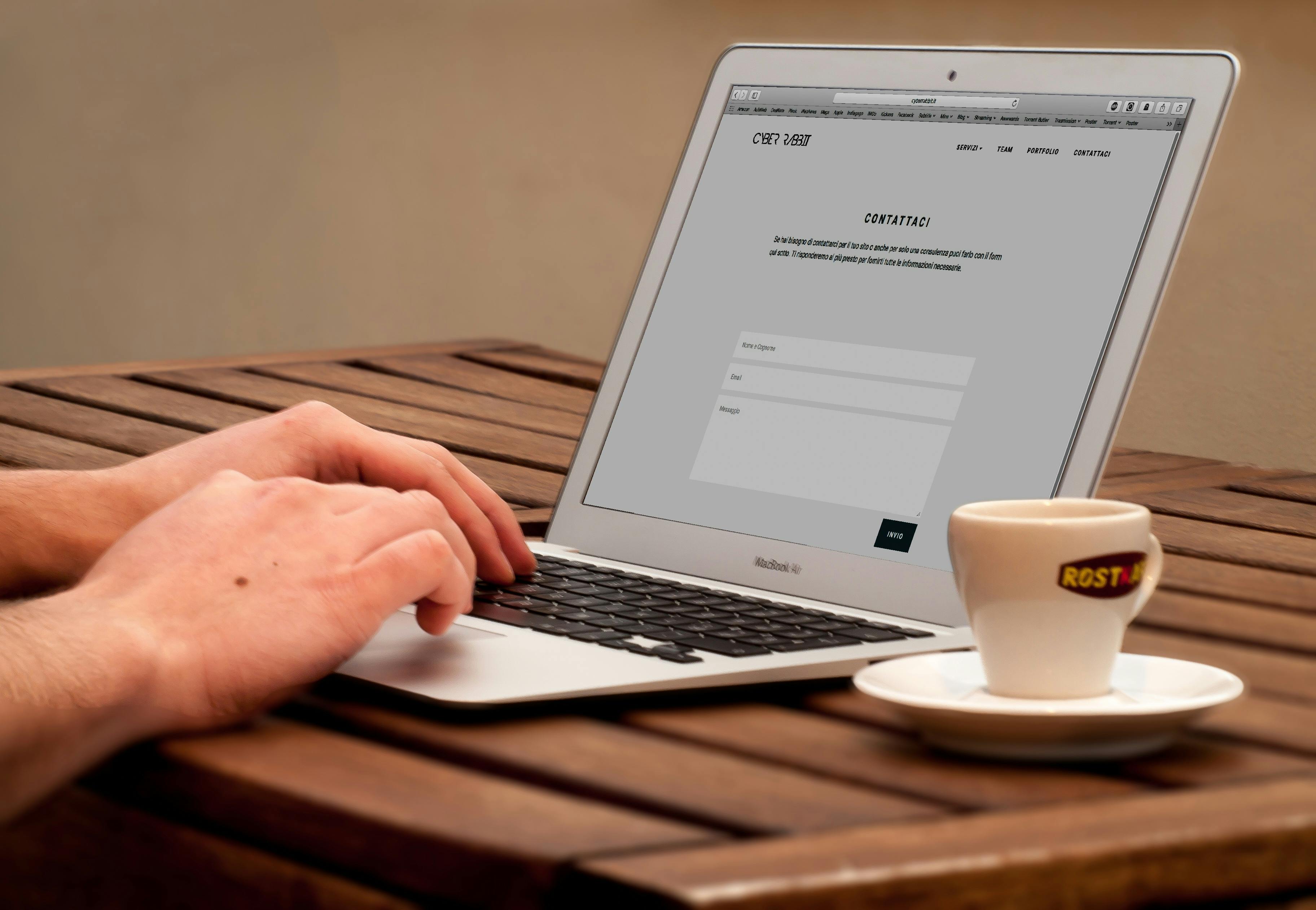
Many businesses rely heavily on web forms to capture leads. They are easy to set up, simple to track, and feel efficient.
But when it comes to actual conversions, phone calls consistently outperform web forms.
The reason comes down to intent, timing, and real-time interaction.
Calls Signal Higher Intent
When someone picks up the phone and calls your business, they are usually ready to take action.
They are not just browsing. They want to book, buy, or get an answer immediately.
Form submissions, on the other hand, often come from earlier in the decision process. There is more hesitation, more comparison, and more time for the lead to go cold.
This is why calls tend to convert at a higher rate. The intent is already there.
Real-Time Interaction Drives Decisions
A phone call creates a live conversation. Questions are answered instantly, objections can be handled on the spot, and the customer can be guided toward a decision in real time.
With a form, the process slows down. A lead submits their information and waits. That delay creates friction and increases the chance they move on.
According to recent data highlighted in cold calling statistics, live conversations significantly improve engagement and conversion outcomes compared to delayed communication.
Forms Create Friction
Web forms are useful, but they introduce several points of drop-off.
Users may abandon the form halfway through. They may hesitate to share information. Or they may simply forget they submitted it by the time you follow up.
Even when forms are completed, response time becomes critical. A delay of even a few hours can reduce the likelihood of conversion.
Calls remove that friction by handling everything immediately.
The Missed Call Problem
While calls convert better, they only work if someone answers them.
Many businesses miss calls during busy periods, after hours, or when teams are stretched thin. Each missed call is a missed opportunity that could have turned into revenue.
This is where most businesses lose the advantage that calls provide.
The Best Approach: Capture Both
It is not about choosing between calls and forms. The strongest approach is using both, while prioritizing real-time engagement.
Calls should be treated as high-intent opportunities, while forms act as a secondary capture method.
The key is ensuring that when someone does call, the opportunity is not lost.
Ask Benny helps businesses capture those high-intent moments.
It ensures every call is answered, qualifies leads, and can even book appointments in real time. Instead of relying on voicemail or delayed callbacks, your business stays responsive at all times.
You can explore how it works here.
Phone calls convert better than web forms because they combine intent with immediacy.
When someone is ready to act, a real-time conversation removes friction and drives decisions.
For businesses, the goal is simple: capture that moment. Because when you do, the results follow.

About Benjamin Beaverton
Benjamin Beaverton is Ask Benny’s resident expert in all things AI, call handling, and small business success. A proudly Canadian beaver with a knack for staying busy, Benjamin shares insights from the virtual front desk - where no call goes unanswered and no customer is left waiting. When he’s not helping businesses boost their customer service, you’ll find him fine-tuning Benny’s scripts, building better workflows, and occasionally gnawing on tech trends.
Follow Benjamin for smart tips, fresh updates, and a peek behind the bark at Ask Benny HQ.