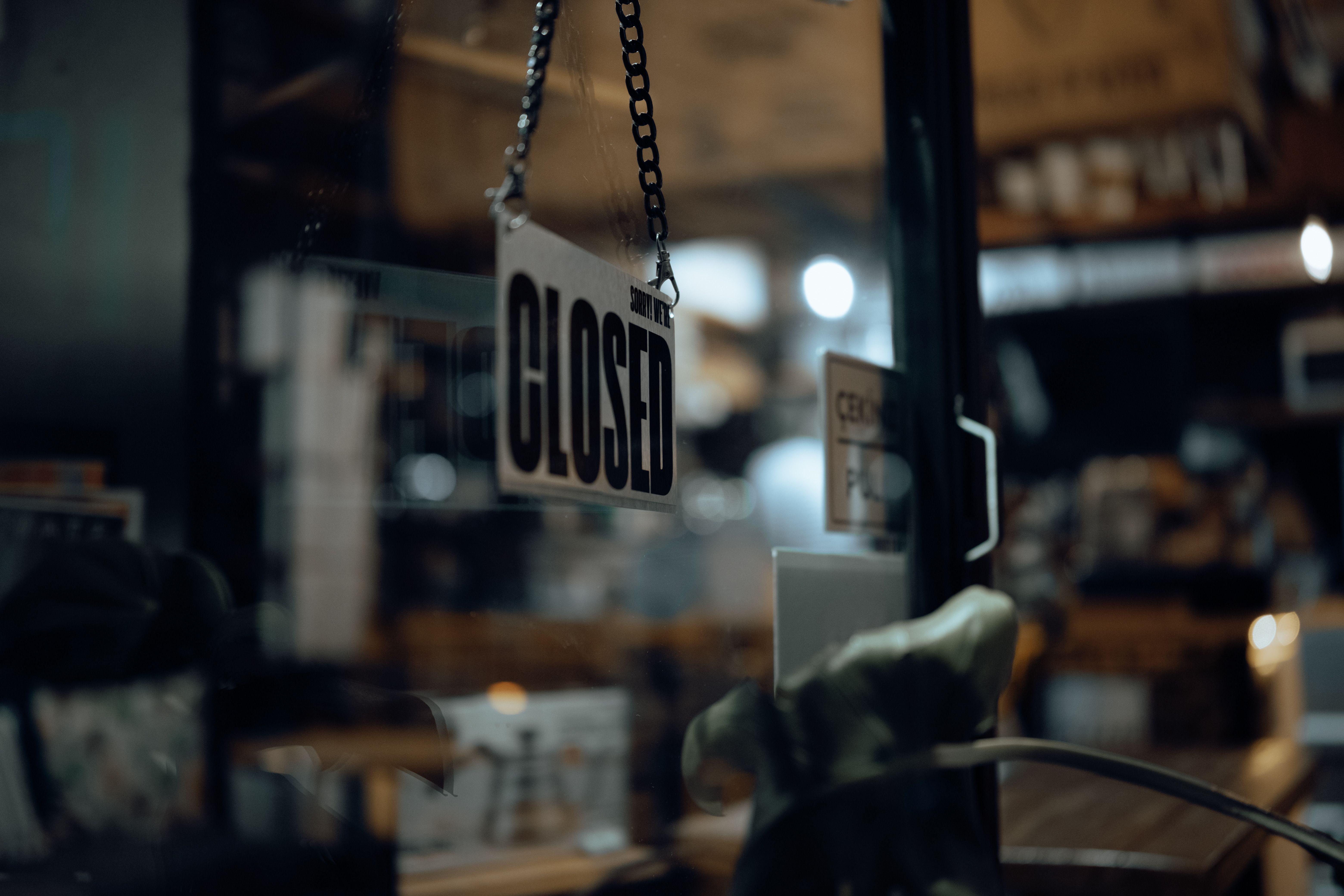
Your office closes at 5 p.m., but your customers don't necessarily stop looking for you at 5 p.m.
Someone might discover your business while searching Google after dinner. A homeowner might notice a problem once they get home from work. A customer might finally have time to make an appointment at 8:30 p.m. Your website is still online, your ads may still be running and your business is still appearing in search, so from the customer's perspective, there's no reason not to call.
The question is what happens when they do.
For many small businesses, an after-hours call still ends in voicemail or a missed call notification the next morning. Others forward calls to an owner or use an answering service. Increasingly, businesses are also using AI receptionists to continue helping customers after their staff have gone home.
Each option creates a very different experience for the person on the other end of the phone.
Customers Don't Always Need You During Business Hours
Customer behaviour doesn't conveniently fit into a nine-to-five schedule. People research businesses, compare options and make purchasing decisions whenever they have time to do it.
Research from Pivotal Research points to convenience, responsiveness and seamless experiences as important customer experience considerations for Canadian organizations.
That doesn't mean a small business needs employees answering phones around the clock. It does mean businesses should think about what customers experience when they call outside regular hours.
A customer who reaches your business at 8 p.m. may not expect a technician to arrive immediately or an accountant to start working on their file that evening. But they may expect to be able to ask a question, explain what they need, schedule an appointment or at least understand what happens next.
That's where the differences between voicemail, call forwarding, answering services and AI become much more noticeable.
When the Call Goes to Voicemail
Voicemail remains one of the most common ways businesses handle calls after hours. It's simple, inexpensive and gives callers somewhere to leave their information.
The limitation is that voicemail doesn't actually move the conversation forward.
A potential customer can leave their name and phone number, but they still don't know whether you provide the service they're looking for, whether you serve their area or when you might be available. They leave a message and wait for someone to call them back.
Some customers will wait. Others won't.
If the caller is comparing several businesses, they can simply return to their search and call the next company. And if they don't leave a voicemail at all, you may wake up to a missed call without knowing who called, what they wanted or whether the opportunity was valuable.
When Calls Are Forwarded to Someone on Your Team
Call forwarding solves the problem of customers reaching an empty office, but it can create another problem for the people running the business.
Forwarding after-hours calls to an owner or employee means someone remains responsible for the phone after the workday ends. That can make sense for genuinely urgent calls, particularly in industries where emergencies happen outside regular business hours.
It makes less sense when the caller simply wants to know whether you service their neighbourhood, what time you open tomorrow or whether they can schedule an appointment next Tuesday.
The better question isn't necessarily, “Who should answer every call after hours?” It's “Which calls actually require a person after hours?”
If routine inquiries can be handled another way, owners and employees only need to be involved when the situation genuinely calls for them.
When an Answering Service Picks Up
A traditional answering service can provide a much better experience than an unanswered phone. A live agent can greet the caller, collect their contact information, find out why they're calling and pass the message along to the business.
For some businesses, that's exactly what's needed.
The limitation depends on how much the answering service can actually do. If the agent doesn't have access to the business's availability, systems or detailed information, the conversation may still end with a promise that someone will call the customer back when the office reopens.
That makes the distinction between answering a call and resolving the reason for the call important.
If a customer simply wants to leave a message, an answering service can accomplish that. If they want to book, ask detailed questions, receive information or be routed according to their needs, the business may need a system capable of doing more during the conversation.
When an AI Receptionist Answers
An AI receptionist approaches after-hours calls differently because the goal isn't simply to record that someone called.
With Ask Benny's AI receptionist, businesses can answer calls 24/7 and configure the AI around their own services, hours, FAQs and call-handling rules.
A customer calling after hours can explain why they're calling and have a natural conversation. Depending on the business's setup, Ask Benny can answer questions, collect lead information, help book an appointment, send information by SMS or transfer the call when the situation requires a person.
That means a customer who calls at 8:47 p.m. doesn't necessarily have to wait until tomorrow morning to make progress.
Maybe their entire issue can't be resolved that night, and that's okay. If their information has been collected, their question has been answered or their appointment has already been booked, the interaction has still moved forward.
After-Hours Callers May Be Some of Your Most Valuable Leads
It's also worth considering why someone is calling.
A person browsing a website may simply be researching. Picking up the phone requires more effort and often signals that the customer has a specific question or wants to take a next step.
This is particularly important for businesses investing in marketing.
Your Google Ads don't necessarily stop generating interest when the office closes. Your SEO doesn't turn off at 5 p.m. Someone can find your business through Google, social media, a referral or your website at any hour of the day.
If that marketing generates a phone call, what happens next becomes part of the return you're getting from the money and effort you've already spent acquiring that lead.
Generating more inquiries isn't particularly helpful if interested customers consistently reach a dead end once they call.
Better After-Hours Service Doesn't Mean Working 24/7
One of the biggest misconceptions about improving after-hours customer service is that someone from the business needs to become permanently available.
That isn't the goal.
Good after-hours call handling should actually make it easier to establish boundaries. Routine questions can be answered without interrupting anyone. Customer information can be collected for the next business day. Appointments can be handled according to the business's workflow. Calls that truly require immediate attention can be transferred based on predetermined rules.
Instead of sending every call to an owner or employee, the business can decide in advance what requires human involvement and what doesn't.
For a small business owner, that can mean being reachable when it matters without spending every evening answering the same questions they answered all day.
What Should Happen When a Customer Calls After Hours?
There isn't one perfect after-hours call flow for every business.
A plumbing company may need a process for identifying emergencies. A medical clinic may have strict rules about what information can be provided and where certain calls should go. A property management company may need to distinguish between a maintenance emergency and a routine tenant question. A professional services firm may simply want to qualify the inquiry and arrange a conversation for the next day.
The right setup starts with understanding why customers typically call and deciding what should happen in each situation.
Can the question be answered immediately? Can the caller's information be collected? Can they book something? Does the call need to reach a person? If it can wait until tomorrow, what information should your team have when they follow up?
Once those rules are established, after-hours coverage becomes much less about keeping the office open and much more about keeping the customer journey moving.
What Happens After "Hello" Matters More Than Who Answers
There's an important distinction between answering the phone and actually helping the customer.
Voicemail can capture a message. An answering service can provide a human greeting. Call forwarding can put someone from your team on the phone. AI can handle many conversations and actions automatically.
The best option depends on the business, but the customer's expectation is usually much simpler: they called because they needed something.
Businesses that design their after-hours experience around that need are in a much better position than businesses that simply think of calls as something to deal with when the office reopens.
You can see how businesses are already using Ask Benny to manage customer conversations.
Your Business Can Be Closed Without Being Unreachable
Your team should be able to finish the workday.
That doesn't mean every customer who calls afterward needs to reach a dead end until morning.
A useful after-hours experience might mean answering a question, collecting the right information, booking an appointment or simply making sure the caller knows exactly what happens next. For urgent situations, it might mean connecting them with the right person.
The important part is that there's a plan.
With the right call-handling system in place, your business can stop working for the day without stopping every customer conversation until tomorrow.

About Benjamin Beaverton
Benjamin Beaverton is Ask Benny’s resident expert in all things AI, call handling, and small business success. A proudly Canadian beaver with a knack for staying busy, Benjamin shares insights from the virtual front desk - where no call goes unanswered and no customer is left waiting. When he’s not helping businesses boost their customer service, you’ll find him fine-tuning Benny’s scripts, building better workflows, and occasionally gnawing on tech trends.
Follow Benjamin for smart tips, fresh updates, and a peek behind the bark at Ask Benny HQ.